
Are QR Codes Safe? Common Myths & Real Facts
Let's separate internet fear from actual facts.
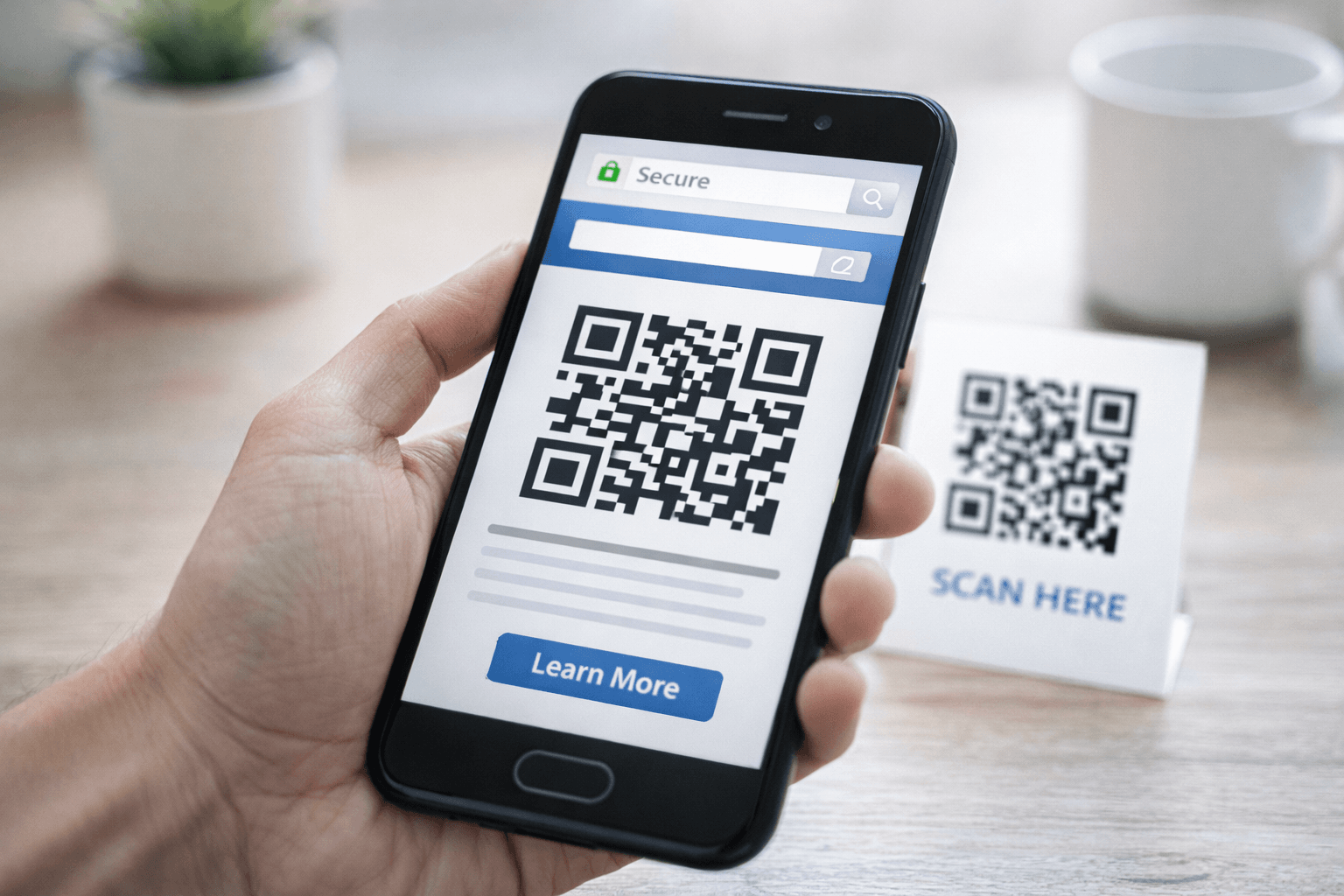

QR Junction Team
You've probably heard someone say: "Don't scan random QR codes. They're dangerous." Maybe a relative forwarded you a WhatsApp message warning about QR code scams. Maybe you saw a news headline and started second-guessing every black-and-white square you come across.
So are QR codes actually risky?
Or are we just blaming the square for something that has nothing to do with the square itself?
The truth is somewhere in the middle — and understanding it will help you use QR codes confidently without unnecessary fear.
Let's clear this up properly.
Myth #1: QR Codes Are Viruses
False. Completely false.
A QR code is just data. It's the same as a web address written on a piece of paper — except in a format your camera can read.
Scanning a QR code does not install anything on your phone. It cannot access your files, contacts, messages, or camera on its own. It cannot run code. It cannot transmit your personal data by simply being scanned.
The act of scanning a QR code is no more dangerous than reading a sign on the street. The QR code itself is completely passive. It only directs your device somewhere.
Calling QR codes viruses is like calling phone numbers viruses. The number itself isn't dangerous — what matters is who picks up when you call.
The Real Risk
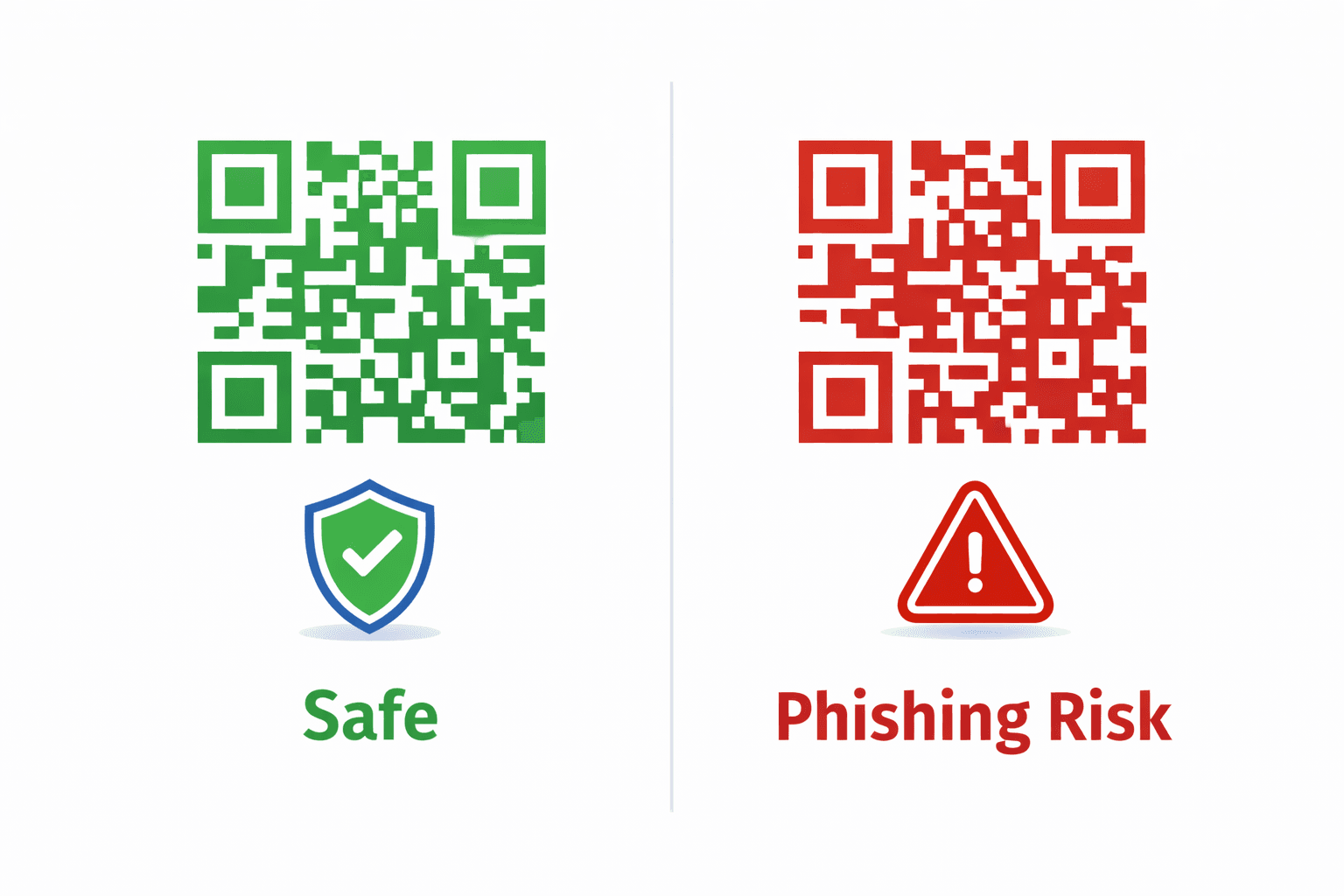
Now, here's the honest part — there is a real risk. It just isn't the QR code itself.
The risk comes from where the QR code leads. A malicious person can create a QR code that links to a fake website — one designed to look like your bank, a payment app, or a trusted service. If you enter your details on that fake site, your information can be stolen.
This is called phishing. And it's not a QR code problem. Phishing happens through emails, text messages, fake websites, and phone calls too. QR codes are just another delivery method for the same old trick.
Think of it this way: if someone handed you a fake phone number for your bank, and you called it and gave away your PIN, you wouldn't blame the phone. You'd blame the fake number — and the person who gave it to you.
The same logic applies here. The problem isn't the QR code format. It's the destination it points to.
How to Stay Safe While Scanning QR Codes
The good news is that staying safe while using QR codes is genuinely simple. You don't need any special app, any technical knowledge, or any reason to be paranoid. Just a few common-sense habits will protect you almost every time.
Here's how you protect yourself:
- Avoid scanning unknown stickers in public places — particularly if a sticker has been placed over an existing QR code, as this is a known tampering method
- Check the website URL before entering any personal details — most phones show you the link before opening it. If the URL looks strange or doesn't match the brand, don't proceed
- Use trusted QR generators when creating your own QR codes for business — cheap or unknown tools sometimes insert their own redirect links
- Never share your OTP, banking PIN, or passwords on any website you reached through a QR code that you weren't expecting
- If a QR code at a restaurant or store looks like it has been tampered with — like a sticker placed on top — ask a staff member before scanning
Are QR Codes Safe for Businesses?
Absolutely yes — when they are generated from a reliable source and used responsibly.
Businesses around the world use QR codes every single day for payments, customer reviews, digital menus, event check-ins, loyalty programs, and marketing campaigns. Hospitals use them for patient records. Banks use them for authentication. Airports use them for boarding passes.
If QR codes were genuinely dangerous, none of this would be possible at scale.
The safety of a QR code in a business context depends entirely on where it was created and where it leads. A QR code generated from a trusted platform, pointing to a verified business website or payment gateway, is as safe as any other digital tool.
Security depends on how responsibly they are used — not on the technology itself.
Final Thoughts
QR codes are tools. Simple, powerful, incredibly useful tools.
Like any tool, they are safe when used correctly — and they can be misused when handled carelessly. A kitchen knife is useful for cooking and dangerous in the wrong hands. The knife isn't the problem. Neither is the QR code.
Blaming QR codes for scams is like blaming roads for traffic accidents. Yes, accidents happen on roads. That doesn't mean we stop using roads — we just drive carefully.
Scan from trusted sources. Check URLs. Don't share sensitive information unless you're certain of where you are. Do that, and QR codes are not just safe — they're one of the most convenient tools in your daily life.
Generate safe and secure QR codes at qrjunction.in
Create custom vector patterns, integrate dynamic redirection endpoints, and view details.